
In today’s globalized economy, sourcing and logistics are no longer back-office functions—they are strategic pillars that directly impact cost, quality, speed, and customer satisfaction. Whether you are running an e‑commerce brand, a manufacturing business, or a distribution company, understanding how sourcing and logistics work together is essential for building a resilient and scalable supply chain.
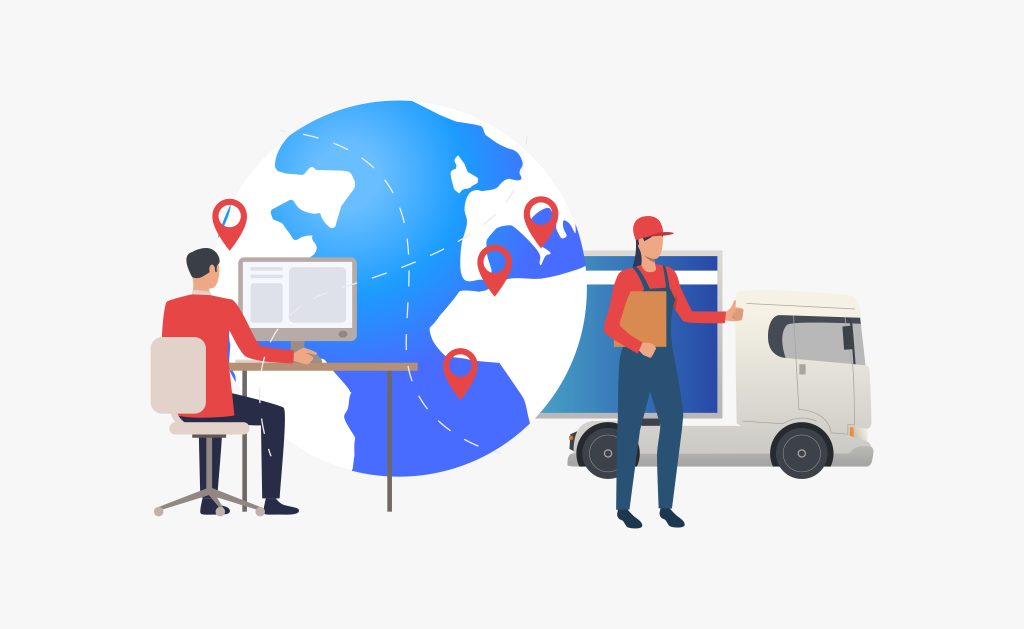
What Is Sourcing?
Sourcing is the process of identifying, evaluating, and selecting suppliers to provide products, components, or raw materials. It goes far beyond simply finding the lowest price. Effective sourcing focuses on value, which includes quality, reliability, compliance, communication, and long‑term partnership potential.
Key elements of professional sourcing include:
- Supplier identification and verification – Ensuring factories are legitimate, capable, and financially stable.
- Quality assessment – Reviewing samples, materials, production processes, and quality control systems.
- Cost structure analysis – Understanding pricing, MOQs, tooling costs, and hidden expenses.
- Negotiation – Aligning on price, lead times, payment terms, and responsibilities.
- Compliance and ethics – Confirming adherence to safety, labor, and environmental standards.
In regions like China, sourcing often involves factory audits, on‑site inspections, and close coordination with suppliers to avoid risks such as outsourcing without disclosure or inconsistent quality.
What Is Logistics?

Logistics is the process of moving goods efficiently from the supplier to the final destination. This includes transportation, warehousing, customs clearance, documentation, and last‑mile delivery.
Modern logistics covers:
- Inbound logistics – Moving goods from factories to ports or warehouses.
- International shipping – Air freight, sea freight (FCL/LCL), rail, or multimodal transport.
- Customs clearance – Managing HS codes, duties, taxes, and compliance documents.
- Warehousing and fulfillment – Storage, picking, packing, and order processing.
- Last‑mile delivery – Final delivery to customers or retail locations.
Strong logistics management ensures products arrive on time, intact, and at the lowest possible landed cost.
Why Sourcing and Logistics Must Work Together?
Sourcing and logistics are deeply interconnected. A low factory price means little if shipping delays, poor packaging, or customs issues erase your margin. Similarly, fast logistics cannot compensate for unreliable suppliers.
When sourcing and logistics are aligned:
- Lead times become predictable
- Inventory planning improves
- Quality issues are caught earlier
- Total landed cost is optimized
- Customer satisfaction increases
For example, choosing a factory closer to major ports or with export experience can significantly reduce transit time and risk.
Common Challenges in Sourcing and Logistics
Businesses often face similar challenges when managing global supply chains:
- Communication gaps between buyers and factories
- Inconsistent product quality between samples and mass production
- Hidden costs in shipping, duties, or packaging
- Delays caused by poor planning or peak seasons
- Lack of transparency in supplier operations or freight tracking
These risks increase when companies rely solely on online platforms without local expertise.
The Role of Sourcing and Logistics Partners
Working with experienced sourcing and logistics partners can dramatically reduce risk. A good partner acts as an extension of your team, offering:
- Local factory access and audits
- Clear communication in both English and Chinese
- On‑site quality inspections and production follow‑up
- Optimized shipping routes and cost control
- End‑to‑end coordination from factory to warehouse
This is especially valuable for businesses scaling quickly or managing multiple SKUs and suppliers.
Future Trends in Sourcing and Logistics
The industry is evolving rapidly, driven by technology and changing consumer expectations:
- Digital sourcing platforms with deeper supplier verification
- Supply chain visibility tools for real‑time tracking
- Near‑shoring and diversification to reduce dependency on single regions
- Sustainable logistics with lower emissions and eco‑friendly packaging
- Automation and AI in demand forecasting and inventory management
Companies that adapt early will gain a competitive advantage.
Conclusion
Sourcing and logistics are not isolated functions—they are two sides of the same coin. When managed strategically, they help businesses reduce costs, improve quality, and deliver better customer experiences. Whether you are sourcing products from overseas or managing global shipments, investing in the right processes and partners can turn your supply chain into a powerful growth engine.
In a world where speed, reliability, and transparency matter more than ever, mastering sourcing and logistics is no longer optional—it’s essential.