
As global trade becomes more competitive and complex, businesses can no longer afford inefficient sourcing or poorly managed logistics. From rising freight costs to supplier risks and customer expectations for faster delivery, companies must adopt smarter sourcing and logistics strategies to stay profitable and resilient.
Understanding Smart Sourcing

Smart sourcing is a strategic approach that balances cost, quality, risk, and scalability. Instead of chasing the lowest price, smart sourcing focuses on long-term supplier performance and total landed cost.
Key principles of smart sourcing include:
- Supplier transparency – Knowing who actually manufactures your product and where it is made.
- Capability matching – Selecting factories that specialize in your product category, not generalists.
- Process control – Ensuring suppliers follow standardized production and quality procedures.
- Risk diversification – Avoiding dependence on a single supplier or region.
By applying these principles, businesses reduce disruptions and improve consistency across production cycles.
Supplier Audits and Quality Control
One of the most critical components of effective sourcing is supplier verification. Factory audits and on-site inspections help confirm:
- Legal registration and ownership
- Production capacity and equipment
- In-house manufacturing vs subcontracting
- Quality control systems and documentation
- Compliance with safety and labor standards
Regular quality inspections during production—not just at the final stage—help prevent costly rework, delays, and customer complaints.
Logistics: Beyond Shipping
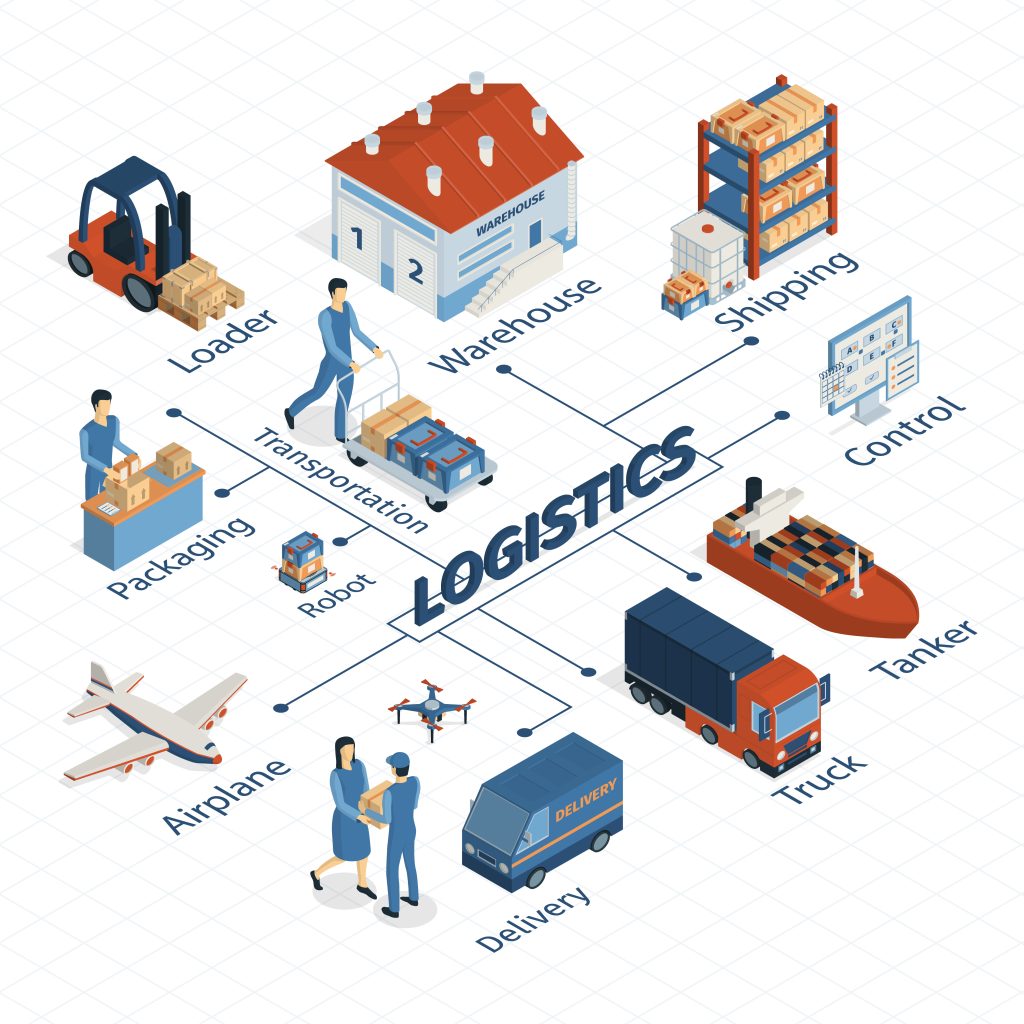
Many businesses view logistics as simply moving goods from point A to point B. In reality, logistics is a cost and performance driver that directly affects cash flow and customer satisfaction.
A strong logistics strategy includes:
- Mode optimization – Choosing between air, sea, rail, or hybrid shipping based on urgency and cost.
- Packaging optimization – Reducing volume and damage through better packaging design.
- Customs planning – Accurate HS codes, documentation, and duty forecasting.
- Inventory positioning – Using overseas warehouses or bonded warehouses to shorten delivery times.
Efficient logistics reduces lead time, minimizes risk, and improves delivery reliability.
The Importance of End-to-End Coordination
Problems often occur at the handoff points between sourcing and logistics. Misaligned timelines, unclear responsibilities, or missing documents can quickly derail a shipment.
End-to-end coordination ensures:
- Production schedules align with shipping bookings
- Packaging meets carrier and customs requirements
- Inspection results are cleared before dispatch
- Real-time shipment tracking is available
When sourcing and logistics teams work as one unit, supply chains become faster and more predictable.
Common Mistakes Businesses Make
Despite best intentions, many companies repeat the same mistakes:
- Selecting suppliers based on price alone
- Skipping factory audits or inspections
- Underestimating peak season logistics delays
- Ignoring total landed cost calculations
- Relying on fragmented service providers
These mistakes often lead to higher costs and operational stress in the long run.
Leveraging Local Expertise
Local sourcing and logistics experts play a crucial role in global trade. They bridge language and cultural gaps, conduct on-site checks, and respond quickly to issues on the ground.
Benefits of working with local experts include:
- Faster problem resolution
- Better supplier accountability
- Improved negotiation outcomes
- Clearer communication and reporting
This support is especially valuable when sourcing from manufacturing hubs such as China or Southeast Asia.
Final Thoughts
Smart sourcing and logistics are not about cutting corners—they are about making informed decisions that protect your business and support sustainable growth. By combining the right suppliers, strong quality control, and efficient logistics planning, companies can build supply chains that are both competitive and dependable.
In an uncertain global environment, smart sourcing and logistics are no longer optional—they are strategic necessities.